Key Takeaways
|
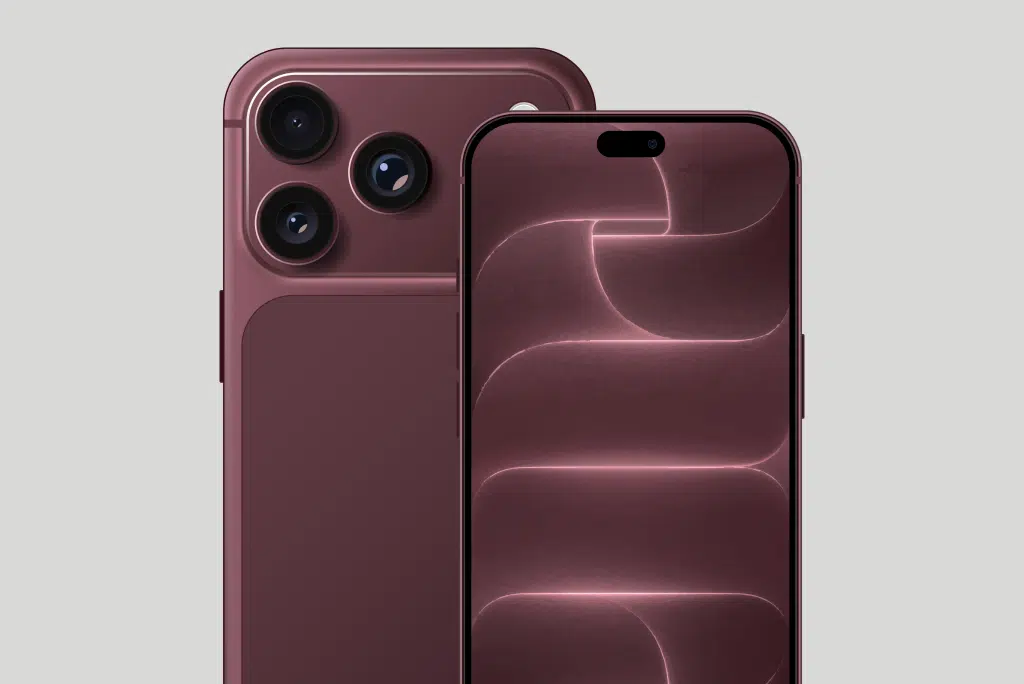
Apple’s September 2025 event introduced a new generation of iPhones, built around performance, energy efficiency, and sustainability. The iPhone 17 lineup includes four models:
- iPhone Air
- iPhone 17
- iPhone 17 Pro
- iPhone 17 Pro Max
Each one targets a different type of user but shares a design philosophy centred on lighter materials, improved battery management, and smarter on-device AI. Plus, photo editing, call management, and accessibility tools respond more naturally to user behaviour. With brighter screens and better heat control, the iPhone 17 series represents Apple’s most refined and eco-conscious design to date.
See how Apple’s design has evolved over time in our iPhone Evolution overview.
The iPhone 17 Lineup at a Glance
Apple’s 2025 lineup builds on familiar strengths while introducing a clear distinction between the lightweight Air and the more performance-driven Pro models.
Design & Build
The iPhone Air features a titanium frame that is strong and resistant to scratches while remaining light in hand. The iPhone 17, 17 Pro, and 17 Pro Max use aluminum, keeping weight down while maintaining rigidity.
All models feature slimmer bezels and include Apple’s 120Hz ProMotion display as standard. Every model in the lineup reaches higher brightness levels, peaking at around 3,000 nits for improved outdoor visibility and colour accuracy.
Performance & Battery
The iPhone 17 runs on the A19 chip, while the Air, Pro, and Pro Max use the A19 Pro chip. Both processors enhance multitasking speed and incorporate on-device machine learning for image recognition, speech-to-text conversion, and predictive actions.
Efficiency gains extend battery life for all models compared with the iPhone 16 lineup in typical use. Wireless charging is quicker, and the phones maintain lower temperatures during intensive workloads.
Camera & Features
The iPhone 17 Pro Max leads the lineup with a triple-lens 48-megapixel system that captures improved colour accuracy and fine detail. Its updated telephoto camera delivers up to 8× optical-quality zoom, making it easier to capture clear long-range shots without sacrificing sharpness.
The Air and standard iPhone 17 include a 48-megapixel main sensor with enhanced Smart HDR for balanced highlights and shadows. All models record up to 4K Dolby Vision video, while the Pro and Pro Max add advanced creator formats such as ProRes, giving users more flexibility for editing and colour grading. Improved stabilization across the lineup helps produce smoother footage in motion.
Every phone in the series also features Apple’s new 18 MP Center Stage front camera. It automatically adjusts the frame to include everyone in the shot, expanding the field of view as people enter the frame and keeping subjects centred as you move. You can tap to widen the view or rotate from portrait to landscape without repositioning your phone, which makes selfies, video calls, and casual vlogs easier to capture naturally.
Each device supports Apple Intelligence tools, including contextual photo sorting, smart captions, and real-time translation during calls.
iPhone 17 Series Spec Comparison Table
| Model | Frame Material | Display | Chip | Main Camera | Battery (est.) |
| iPhone Air | Titanium | 6.5-inch OLED 120 Hz | A19 Pro | 48 MP Fusion | Up to 27 hours video playback |
| iPhone 17 | Aluminum | 6.3-inch OLED 120 Hz | A19 | Dual 48 MP Fusion | Up to 30 hours video playback |
| iPhone 17 Pro | Aluminum | 6.3-inch OLED 120 Hz | A19 Pro | Triple 48 MP Fusion | Up to 33 hours video playback |
| iPhone 17 Pro Max | Aluminum | 6.9-inch OLED 120 Hz | A19 Pro | Triple 48 MP Fusion | Up to 39 hours video playback |
Get a free phone diagnosis in 5 minutes when you visit us in-store.Is your phone not working?
Apple Intelligence and iOS 26 on the iPhone 17 Series
Apple Intelligence first appeared with iOS 18, but it reaches its most complete form in iOS 26 on the iPhone 17 lineup. What began as a limited set of AI tools is now a deeply integrated system that improves writing, image creation, organization, and voice control while protecting privacy.
The iPhone 17 runs on the A19 chip, while the Air, Pro, and Pro Max models use the A19 Pro. Both processors support on-device machine learning that powers Apple Intelligence features such as contextual text editing, visual understanding, and personalized app suggestions. Their efficiency also helps each phone last longer on a charge and remain cooler during continuous workloads.
Apple Intelligence processes most requests on the device for privacy and speed, using Apple’s Private Cloud Compute only when additional resources are needed. Data is encrypted, processed anonymously, and deleted once the process is complete.
- Writing Tools in Mail, Notes, and compatible third-party apps refine tone, shorten long passages, and generate summaries.
- Image Playground creates graphics and stickers from short text prompts.
- In Photos, Clean Up removes background distractions while keeping subjects sharp, and Memories automatically edits short highlight reels.
- Siri tracks conversational context and recognizes what appears on screen.
- You can ask Siri to “share this document with Sarah,” and it identifies the open file. Responses arrive faster and sound more natural.
Apple Intelligence supports multiple languages, including Canadian English and French. Together with iOS 26 and the A19 chip family, the iPhone 17 series delivers Apple’s most advanced and privacy-focused intelligence experience to date.
If your iPhone ever feels slower after a big update, a quick health check can help. Run a basic test of storage, battery, and connectivity using the steps in How to Run Diagnostics on Your Cellphone. Small fixes like offloading large apps or clearing cached media often restore snappiness.
How the iPhone 17 Series Compares to the iPhone 16 Lineup
The jump from the iPhone 16 family to the iPhone 17 series brings refinements that are easy to notice. All models now include 120 Hz ProMotion displays, brighter panels, and stronger batteries. The new titanium and aluminum frames feel lighter yet sturdier than the 16 lineup.
- Performance gains stem from the A19 chip’s 3-nanometer design, which enables smoother multitasking and improved AI handling. Users upgrading from the 16 Pro Max will see faster photo processing and cooler performance during gaming.
- Camera quality also improves. The 17 Pro Max’s triple-lens setup produces more natural background blur and sharper long-range detail. The Air replaces the 16e as the accessible choice, offering improved imaging and battery life without premium pricing.
- Connectivity upgrades include Wi-Fi 7 and faster 5G bands. The devices ship with iOS 26 and Apple Intelligence built in, allowing Siri and system suggestions to respond faster and with more context.
Older devices can still deliver solid performance with proper care. Keep them running smoothly through professional iPhone Repair, or Trade In and Trade Up.
iPhone 17 Thermal Performance and Efficiency
The A19 architecture improves performance per watt, so the phone finishes heavy tasks faster and returns to an idle state sooner. That tends to produce less heat in everyday use. You still feel warmth during 4K recording, long gaming sessions or map downloads. The difference is in recovery time. The iPhone 17 cools down more quickly and keeps frame rates steadier in long sessions compared to older models.
You can help the phone manage heat with a few habits:
- Avoid covering the back while charging
- Give the device shade in a hot car
- Update apps that rely on location or the camera
If you record long events, switch to airplane mode between takes and let the phone rest for a minute. Performance often rebounds with a short break.
If your iPhone feels unusually hot or throttles during normal tasks, start with simple troubleshooting. This guide explains practical steps that most users can follow at home: Why Does My iPhone Get So Hot and How to Fix It.
Persistent heat may signal a battery past its best days. A diagnostic and a fresh cell usually solve the issue. When you are ready, book with our team through the Cell Phone Battery Replacement page for a quick turnaround.
Sustainability and Repairability in the iPhone 17 Lineup
Apple continues to increase recycled content in frames and internal components, reduce packaging weight, and design parts for easier service. For owners, the benefits show up later in the lifecycle. Batteries hold capacity longer, screens stay brighter, and components remain available for longer windows.
Repairability matters in Canada, where many users keep a phone for three years or more. A quality battery swap restores day‑one stamina. A precise screen replacement keeps the device safe to use and preserves resale value. If your iPhone 17 battery starts to sag after heavy use or a cold winter, book a quick assessment and replace it before performance throttles your day.
When damage is more than cosmetic, a professional repair protects water resistance and avoids parts pairing issues. At Mobile Klinik, our technicians source the correct components and test with pro tools so Face ID, cameras and haptics work as expected. If you are unsure where to begin, the Repairs Overview page explains common services and what to expect in store.
Choosing repair over replacement cuts electronic waste and saves money. If you eventually upgrade, a well‑maintained phone earns a stronger trade‑in value, which lowers the cost of your next device. Good care today gives you more options tomorrow.
iPhone 17 Pro Max vs. Samsung S25 Ultra
Apple and Samsung continue to push flagship design in different directions. Both devices focus on speed, camera versatility, and advanced AI assistance, but their approaches vary.
Design & Build
The iPhone 17 Pro Max uses an aluminum body with a smooth, balanced finish. Samsung’s Galaxy S25 Ultra features a Titanium Armor frame with sharper corners and an S Pen slot. Apple’s rounded edges improve grip, while Samsung’s squared profile maximizes display area.
Display & Performance
The A19 Pro chip competes with Qualcomm’s Snapdragon 8 Gen 4. Apple leads in single-core results, while Samsung edges ahead in multi-core performance. Both chips support on-device AI acceleration for tasks like photo sorting and text generation. Battery life is close, though Apple demonstrates greater efficiency during video playback.
Camera & AI Experience
The iPhone 17 Pro Max includes a 48 MP triple-lens system with improved telephoto reach. The Galaxy S25 Ultra counters with a 200 MP main sensor and multiple zoom lenses. Users have noted that Apple’s photos appear more natural, while Samsung captures greater detail in bright conditions.
Apple Intelligence integrates tightly with iOS 26 for text summarization and photo organization. Galaxy AI assists with note-taking, live translation, and integration with Google Gemini. Both emphasize privacy and on-device processing.
iPhone 17 Pro Max vs. Samsung S25 Ultra Comparison Table
| Feature | iPhone 17 Pro Max | Samsung S25 Ultra |
| Frame | Aluminum | Titanium |
| Chip | A19 Pro | Snapdragon 8 Elite |
| Display | 6.9-inch OLED 120 Hz | 6.9-inch AMOLED 120 Hz |
| Main Camera | 48 MP wide / 48 MP ultrawide / 48 MP telephoto | 200 MP wide / 50 MP ultrawide / 50 MP 5× / 10 MP 3× |
| Front Camera | 18 MP wide | 12 MP wide |
| Battery Life | Up to 39 hours video playback | Up to 31 hours video playback |
| Software | iOS 26 | One UI 7 (Android 15) |
Accessories and Protection for the iPhone 17
The iPhone 17 family supports MagSafe and Qi2 charging, so you can build a clean, reliable setup at home, at work, and in the car. A quality wall charger and certified cable protect the battery over time.
Pro tip: Look for clear power labels and temperature safeguards rather than just the highest watt number.
Cases should strike a balance between protection and heat management.
- Slim polymer or fabric blends feel good in the hand and allow better airflow than thick metal shells.
- If you choose a rugged case, confirm that buttons click cleanly and that the lip around the camera does not cast shadows in photos.
- For screen protection, a tempered‑glass protector that fits edge-to-edge prevents chips and keeps the Always‑On display readable in bright light.
Who Should Upgrade to the iPhone 17?
The iPhone 17 lineup fits several user types.
- Those upgrading from an iPhone 13 or 14 will see the biggest jump in performance and battery life.
- The Air suits everyday users who want premium design and speed without the price of the Pro models.
- The iPhone 17 Pro balances strong performance with manageable size, while the Pro Max caters to power users who edit video or rely on advanced camera tools.
For anyone using an older iPhone, the A19 Pro’s efficiency and the shift to brighter OLED displays may make upgrading worthwhile.
Apple’s commitment to long-term software updates ensures these phones will stay supported for many years.

Final Verdict: Is the iPhone 17 Series Worth It?
The iPhone 17 series refines Apple’s formula rather than reinventing it. The improvements to display quality, camera performance, and energy efficiency give each model a clear role within the lineup. The Air delivers a lightweight experience with flagship speed, while the Pro and Pro Max push imaging and durability forward.
Apple Intelligence and the A19 Pro chip define this generation, making daily tasks smoother and extending device longevity. Users focused on design, sustainability, and reliable long-term performance will find the iPhone 17 series a strong upgrade path.